
How to Wash Towels So They Last
Knowing how to wash your towels properly can save you time and money and help your towels last longer.
You might be surprised at how easy it is to wash your towels effectively. Making a few changes to your usual wash routine can make a big difference and help your towels last longer.
In this post, I’ll share my simple routine for washing towels so they last and perform great for years.
Why Your Towels Aren’t Lasting
Before jumping into the washing steps, it’s helpful to understand why towels stop lasting as long as they should.
In my experience and from all I’ve learned, towels usually stop performing their best for one of two reasons: improper care or poor quality construction. Even high-quality, well-constructed towels won’t last if they aren’t cared for properly.
My interest in this topic began a few years ago when I splurged on a new set of 100% Turkish cotton towels from RH (Restoration Hardware). Considering how well they were made and how much they cost, I expected them to last years.
But after just three months, they began to fray, lose their softness, and turn dingy gray.
Despite my attempts to fix them, nothing worked. I contacted the manufacturer, and they sent me a new set. But it happened again. I knew the culprit was something I was doing.
Here is what I discovered after experiencing this, then doing my own research, and then some trial and error:
- I was using way too much detergent. I had been using the full detergent dosage, which resulted in a buildup of residue from all the suds that didn’t rinse out properly. After reading several articles and recommendations for washing towels, I discovered that using half of the suggested dosage (and sometimes even less) is the best approach for washing towels.
- I was using fabric softener. In addition to the detergent buildup caused by excessive detergent use, fabric softener adds a waxy residue that makes it difficult for towels to clean effectively. This can lead to issues such as stiffness, a sour smell, overall dinginess, and a loss of absorbency. Furthermore, fabric softener is not beneficial for washing machines, especially if you have hard water.
- I was washing too many towels at one time. I used to wash six to eight large towels at a time. Packing the towels in tightly made it hard for them to clean properly. Most experts recommend filling your washing machine to about three-quarters of its capacity, leaving one-quarter of the space empty for effective rinsing.
- I was washing with cold water. Towels collect body oils (sebum), sweat, dead skin cells, bacteria, and soap residue that become trapped in the fibers over time. Hot water helps soften and loosen these oily soils, allowing detergent to lift and remove them more effectively. Washing with cold water will still clean your towels, but it isn’t as effective at removing oily residue as washing with hot water.
- I wasn’t performing regular washer maintenance. Because I had neglected this important maintenance step, it was hard to know whether my washing machine was part of the problem. This was the first thing I tackled to rule it out. Following your washer’s maintenance recommendations helps keep your laundry clean, extends the life of your machine, and can prevent bigger problems down the road.
After learning so much and improving my everyday washing routines, I began to notice substantial improvements with our towels. Within a month, my towels regained their original quality with better absorbency, texture, and overall performance.
Here is the process I still follow today for washing our towels.
How To Clean Towels (Step-by-Step)
After learning what I was doing wrong and then trying different detergents, wash temperatures, cycles, and drying methods, I found this approach to be the simplest and most effective for cleaning towels.
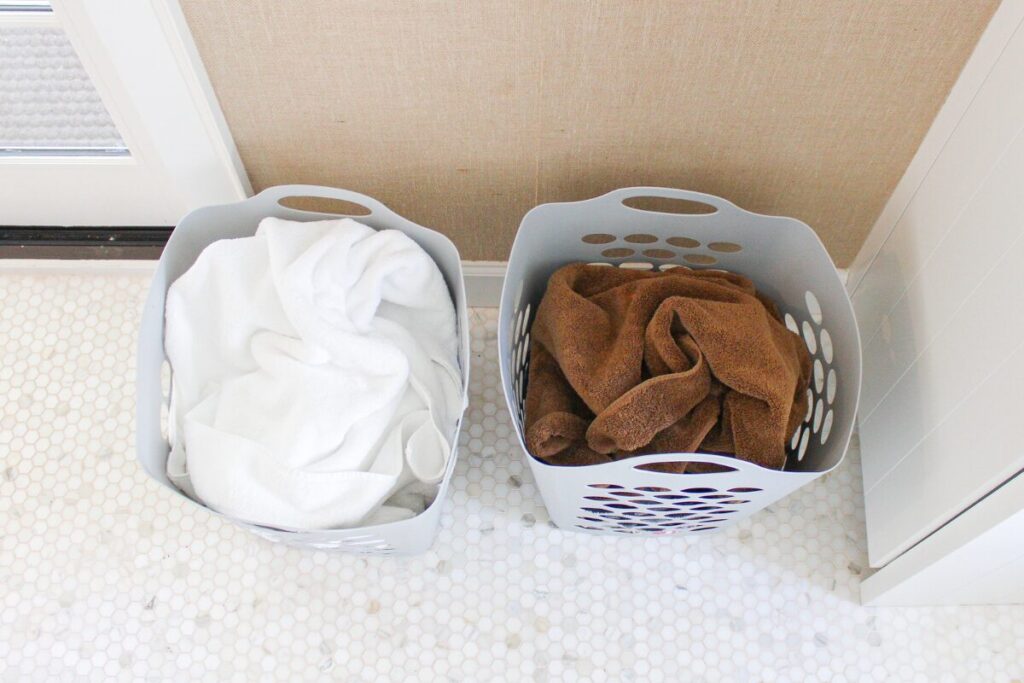
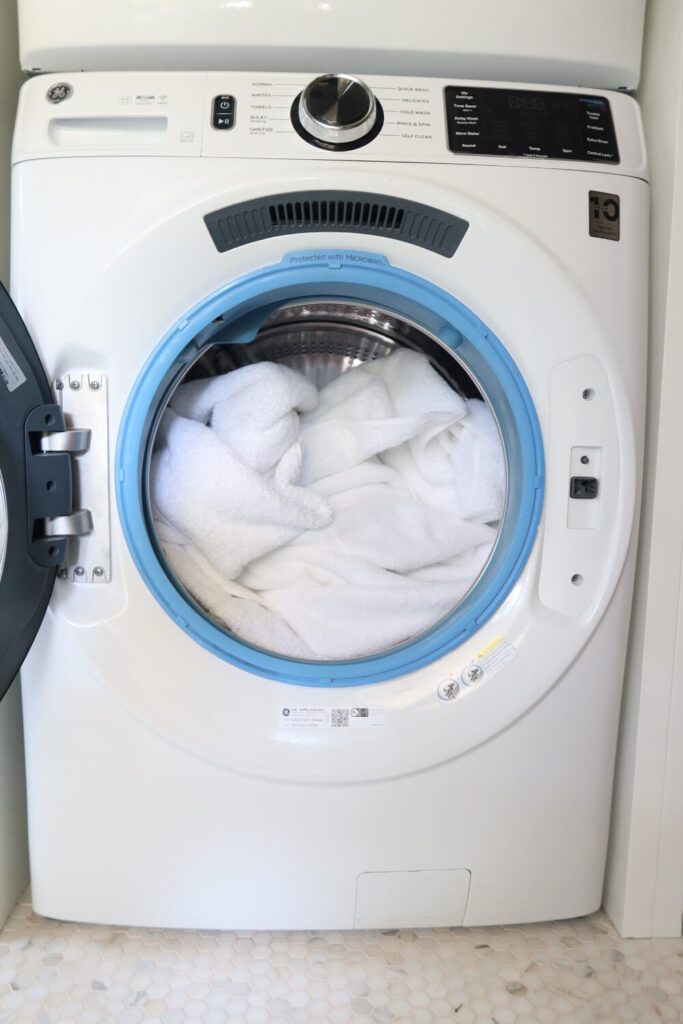
For reference, our washer is a GE 4.8 Cu—Ft—White Smart Front-Load Washer with UltraFresh Vent System, which is what I use to wash our towels.
Steps for Washing Towels in the Washing Machine
Sort By Color
Wash dark towels in one load and light or white towels in another. Only wash towels with towels, and avoid mixing them with other clothing items.
Use Less Detergent
Towels do not require much detergent to clean properly. In fact, using too much detergent can leave behind residue that makes towels feel stiff and less absorbent over time. I use 2–3 tablespoons of detergent for a full load and cut that in half for a small load.
Skip Fabric Softener
Fabric softener coats cotton towel fibers with a waxy residue that reduces absorbency over time. It can also contribute to buildup inside your washing machine, especially if you have hard water. Instead, try using a rinse aid like Downy Rinse & Refresh for a cleaner-smelling towel without the residue.
Place Towels in the Machine
Do not overstuff your machine. A good rule is always to fill your machine three-quarters of its capacity, leaving one-quarter of the space empty for effective rinsing.
Wash Cycle and Soil Level
Choose Heavy or Towel Wash Cycle. If your machine does not have that option, select the heavy load setting. These settings change how long and aggressively the washer cleans.
Water Temperature
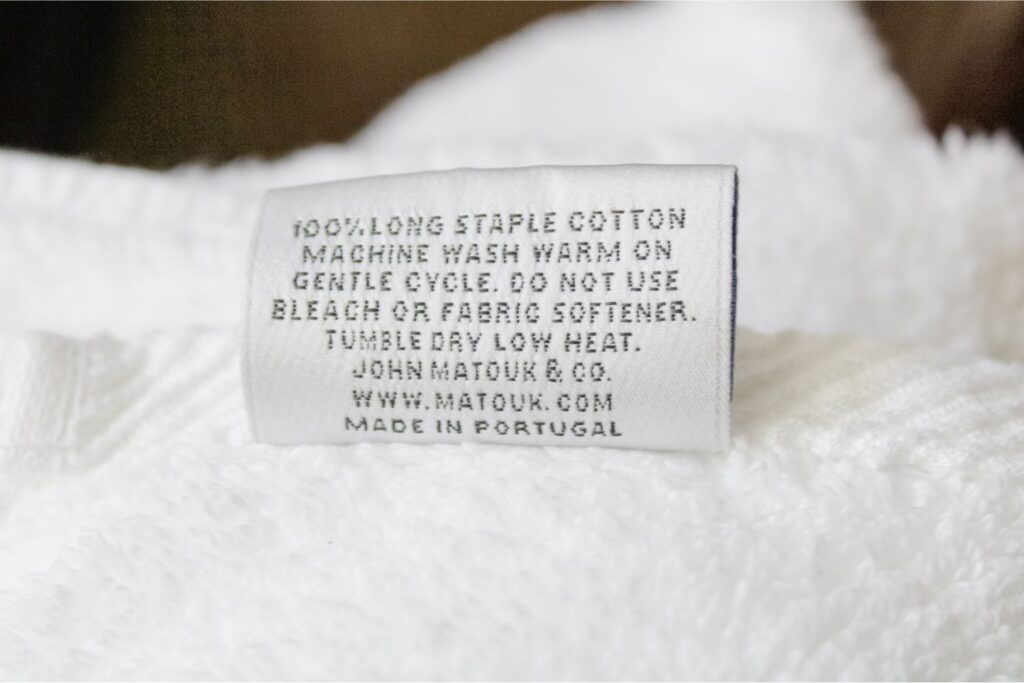
Always check your towel’s care label for the recommended water temperature for washing and start there. If you’re not seeing improvements, I find the hot temperature most effective for thoroughly cleaning our towels.
Spin Speed
Set the Spin Speed to High.
Wash Options
Select the Extra Rinse option. If you do not have Extra Rinse, do a quick wash after the cycle is over. Spending this extra time on rinsing improves the towels’ longevity and texture because it helps remove detergent residue from their fibers.
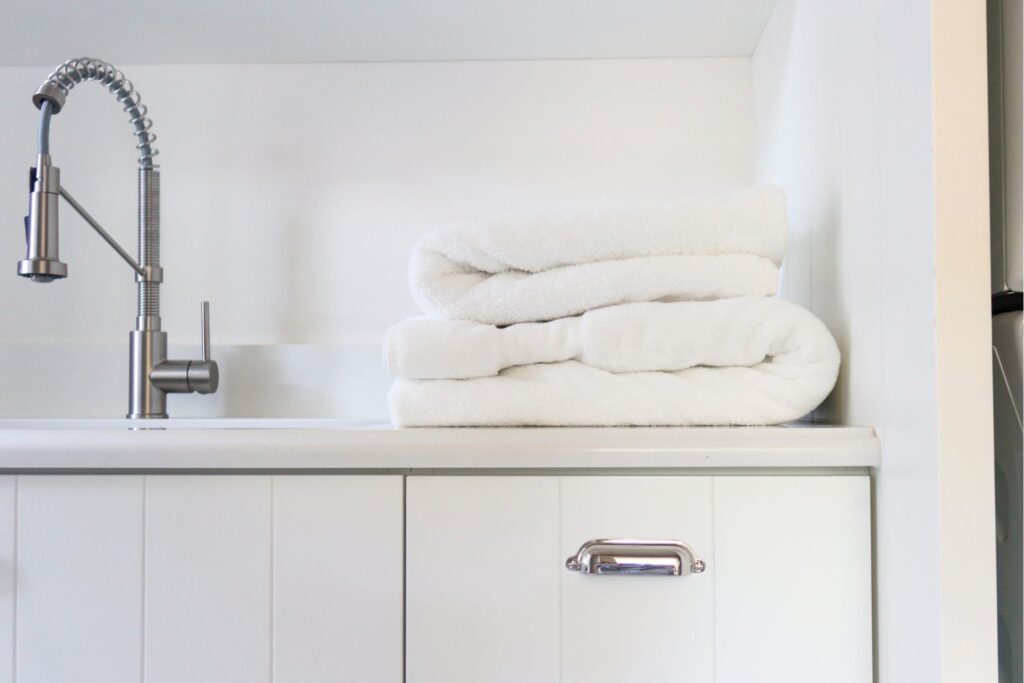
Optional Add-Ons for Cleaning Towels:
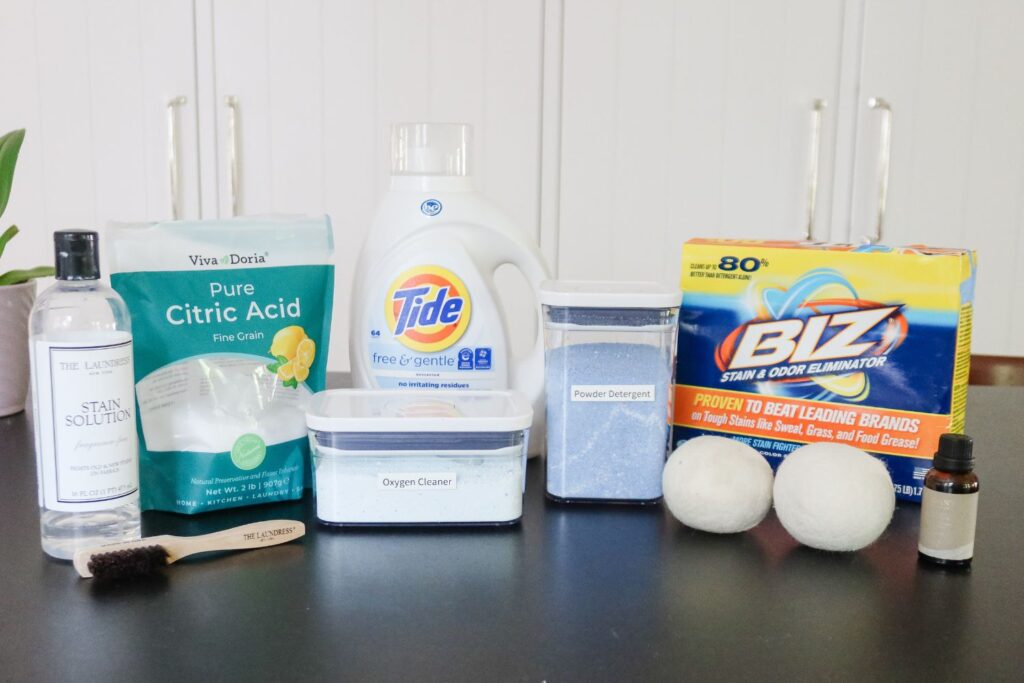
If you have Hard Water in your home, try adding Citric Acid or a product like Downy Rinse & Refresh to the Fabric Softener dispenser. This helps the wash cycle remove any mineral buildup from the hard water, preventing it from settling into your towel fibers.
For extra tough stains, pre-treat with stain remover, such as Stain Solution (by The Laundress), or use an enzymatic cleaner like BIZ on the stain before washing.
For added whitening, use an oxygen-based cleaner like OxiClean.
How to Dry Towels (Step-by-Step)
How you dry your towels is just as important as how you wash them. Using the right heat and drying time helps prevent scorching, which can weaken the fibers and make your towels feel scratchy and stiff.
Steps For Drying Towels in the Dryer
Shake Out Each Towel
Before placing your towels in the dryer, give each one a good shake. This helps loosen the fibers, reduces wrinkles, and allows the towels to dry more evenly.
Dryer Settings
Select medium heat for about 30 minutes. Check your towels, and if they’re still damp, continue drying in 10-minute increments until they’re completely dry. This helps prevent overheating, which can weaken the cotton fibers over time.
Shake and Fold
Once towels are dry, give them a good shake before folding them neatly.
Optional Add-Ons for Drying Towels:
For extra fluffiness, add one or two wool dryer balls to the dryer. If you like lightly scented towels, you can also add a few drops of laundry oil to the dryer balls before starting the cycle.
How to Deep Clean Towels
Even if you wash and dry your towels perfectly every time, they can still start to feel rough or smell funky. If you’ve been following the steps above and have ruled out any other culprits, it might be time for a towel deep clean.
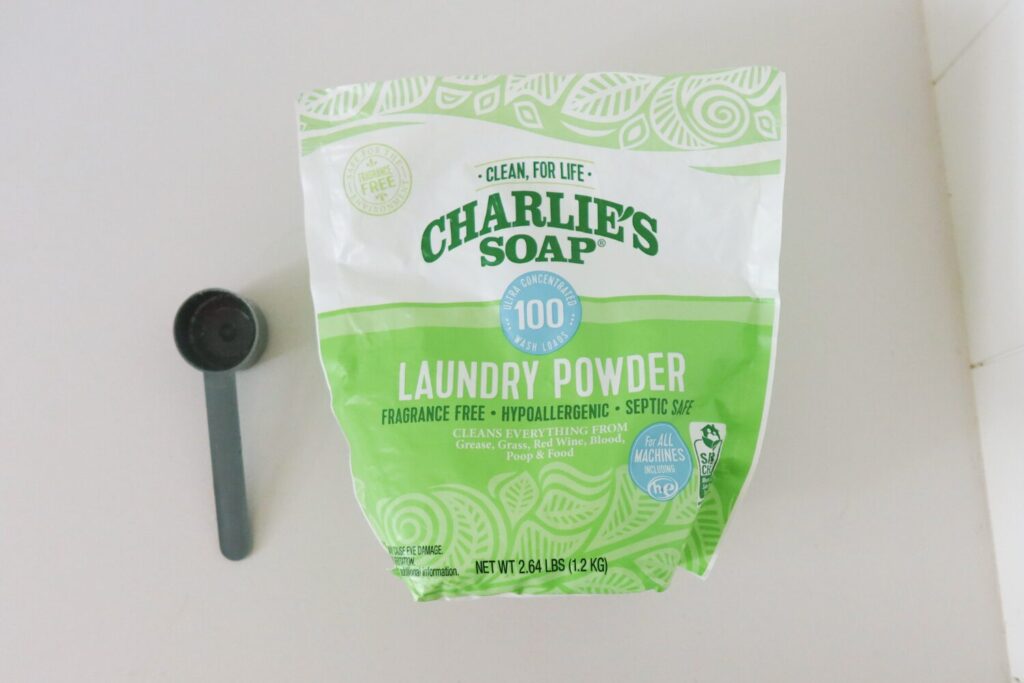
There are many different methods for deep cleaning towels. There is no single “right way” since we all have different types of water, machines, and use different detergents.
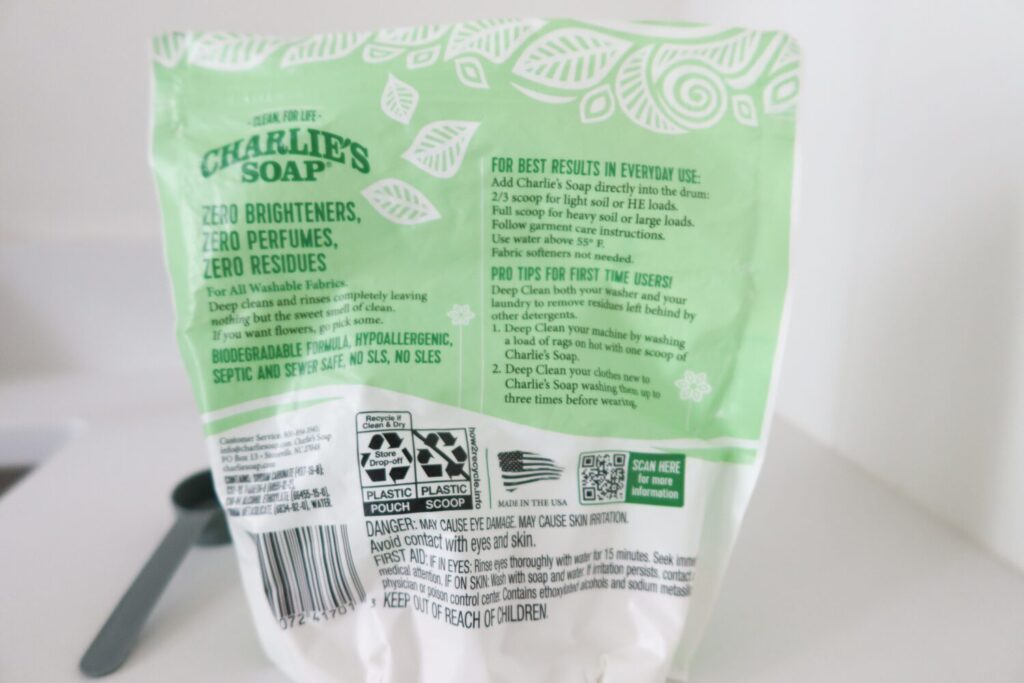
For my towels, using Charlie’s Soap Laundry Powder as a reset was simple and cleared up lingering residue that wasn’t coming out in the regular washing method.
It’s very simple.
Just follow the instructions on the back of the bag, and you’ll notice your towels feel cleaner after the first wash. This bag has lasted us over a year, and we still have a lot left.
If your towels are still not looking, smelling, or feeling their best, here are some additional recommendations to try:
Water Hardness
Understanding water hardness is more important than I realized when beginning this towel cleaning process. This article by The Water Science School on USGS.gov’s website provides a great overview of the topic.
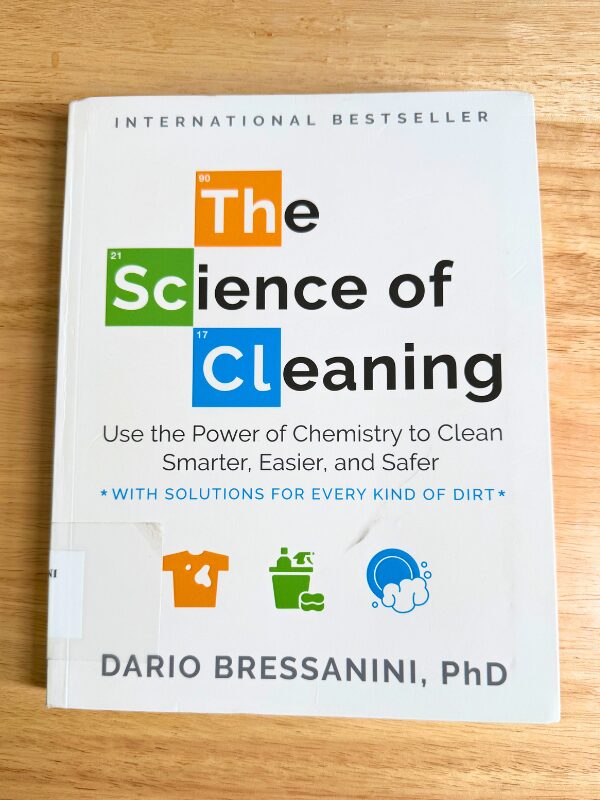
The book The Science of Cleaning by chemist Dario Bressanini, PhD, helped me understand how hard water minerals can interfere with detergents, contribute to residue buildup, and affect both the cleanliness and longevity of towels.
Try Another Deep Clean
If you’re following proper laundry techniques but still not seeing improvement, try not to get discouraged. Some towels take longer to reset because of their construction or years of residue buildup.
In addition to the Charlie’s Soap deep clean I mentioned earlier, another method many people have found helpful for laundry deep cleaning is the “Spa Day” routine created by Reddit user u/KismaiAesthetics in the r/laundry subreddit community.
Every home and towel condition is unique, so your journey with maintaining your bath towels will be unique too.
I hope this guide is a helpful starting point and saves you some trial and error.
If you have a routine that has worked to keep your towels looking their best year after year, please share in the comments below.
Supplies I use for Washing Towels:
Tide Free & Gentle Laundry Detergent
Tide Ultra OXI Powder Detergent
Stain Solution by The Laundress
Frequently Asked Questions:
Is it better to wash towels with vinegar or baking soda?
Vinegar works well as a deodorizer, stain remover, and mild descaler. Baking soda can help brighten and help with odors. Personally, I don’t use vinegar or baking soda for washing towels because I haven’t found them to be effective for cleaning or making towels last longer.
How do you wash towels to make them fresh again?
Start by cleaning your washing machine. Next, wash a towel with the steps above but use hot water. You might need to repeat this a few times to get your towels fresh, or try a deep clean with Charlie’s Soap as I mentioned earlier.
Why do my towels stink no matter how much I wash them?
I’ve had this problem too, and it can be really frustrating when towels still smell after washing. Start by cleaning your washing machine. Check your machine’s manual for instructions on running a cleaning cycle. Next, wash your towels without detergent and add citric acid, either directly into the drum or mixed with warm water in the fabric softener compartment. Towels often smell because of leftover body oils, minerals, and detergent. Washing with cold water can make the musty smell worse, so use hot water to help remove buildup. If you have hard water, add citric acid to the rinse cycle or use a product like Calgon during the final rinse to remove hard water deposits. I hope this helps.
For further reading, check out my article “Best Bath Towels That Last: Frontgate Resort Towels”
Further reading & resources
For this post, I used a variety of sources to get my facts straight. These include manufacturer guides, textile care guidance, stain and cleaning chemistry, and real-world experiences. Here are some of them:
- Matouk – Towel Care Guide (luxury towel manufacturer)
- Peacock Alley – Luxury Towel Care Guide (luxury bedding and bath linens)
- Martha Stewart – What Temperature Should You Wash Clothes?
- Maytag – Why You Shouldn’t Clean Your Washing Machine with Vinegar
- Patric Richardson (The Laundry Evangelist) – YouTube educational videos on fabric care and laundry best practices
- Reddit r/laundry
- Sears Home Services – How to Clean a Washing Machine and Dryer: A Step-by-Step Guide