
Everything You Need to Know about Cost-Per-Use Analysis
What Is Cost-Per-Use Analysis?
Here is an interesting observation: Acquiring a $30 item that requires replacement three times exceeds the expense of purchasing a $75 equivalent once, excluding considerations of time, inconvenience, or environmental impact. Cost-per-use analysis provides a straightforward method for evaluating the true expense of an item per use, thereby assessing its long-term value. Rather than focusing solely on the initial purchase price, this approach emphasizes the item’s worth across its lifespan.
This methodology can transform decision-making for significant purchases, such as appliances, or even routine expenditures. It encourages a transition from spontaneous purchases to intentional investments in durable goods, fostering greater financial prudence.

The calculation is as follows: Cost-Per-Use = Total Cost ÷ Number of Uses
Alignment with the Buy It For Life Philosophy
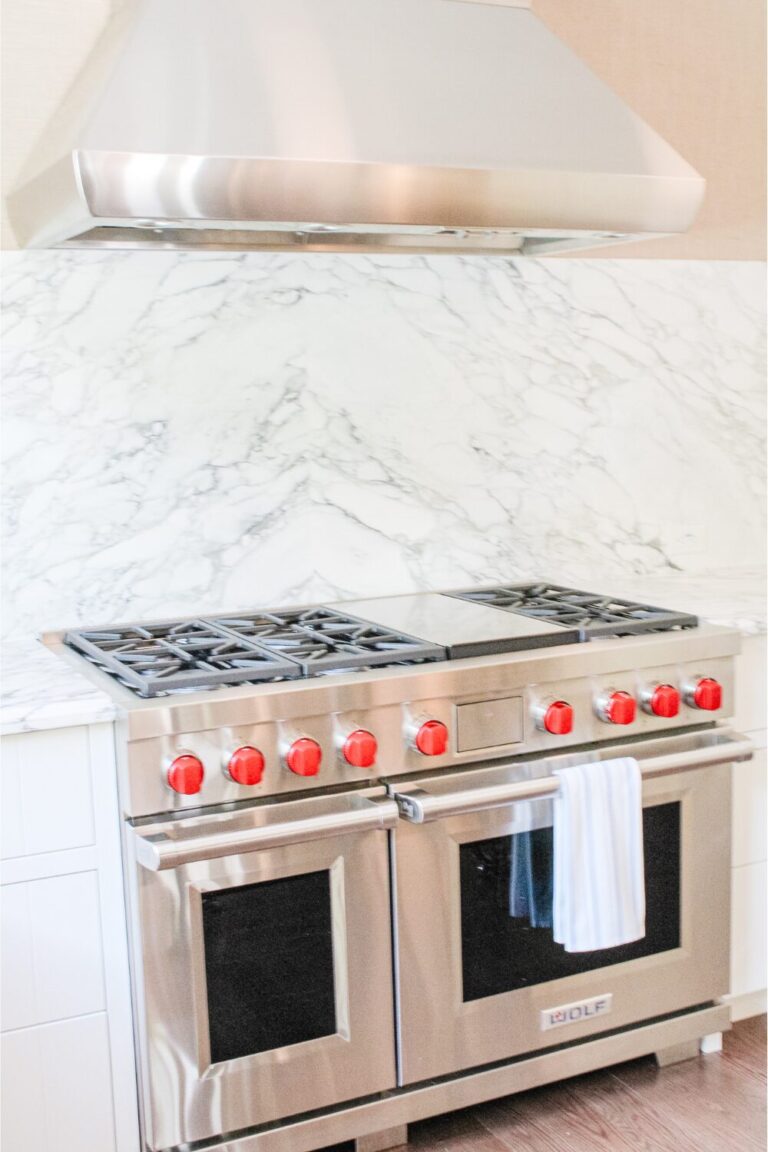
The Buy It For Life philosophy advocates selecting high-quality, enduring products, which may entail higher upfront costs but yield savings and reduced waste over time. Cost-per-use analysis provides the quantitative foundation for this principle, aiding in the evaluation of advantages and disadvantages for major investments, such as a refrigerator or cooking range.
Illustrative Example:
Consider a comparison between two Dutch ovens:
-A $50 model that endures for 2 years and is used approximately 100 times: $50 ÷ 100 = $0.50 per use
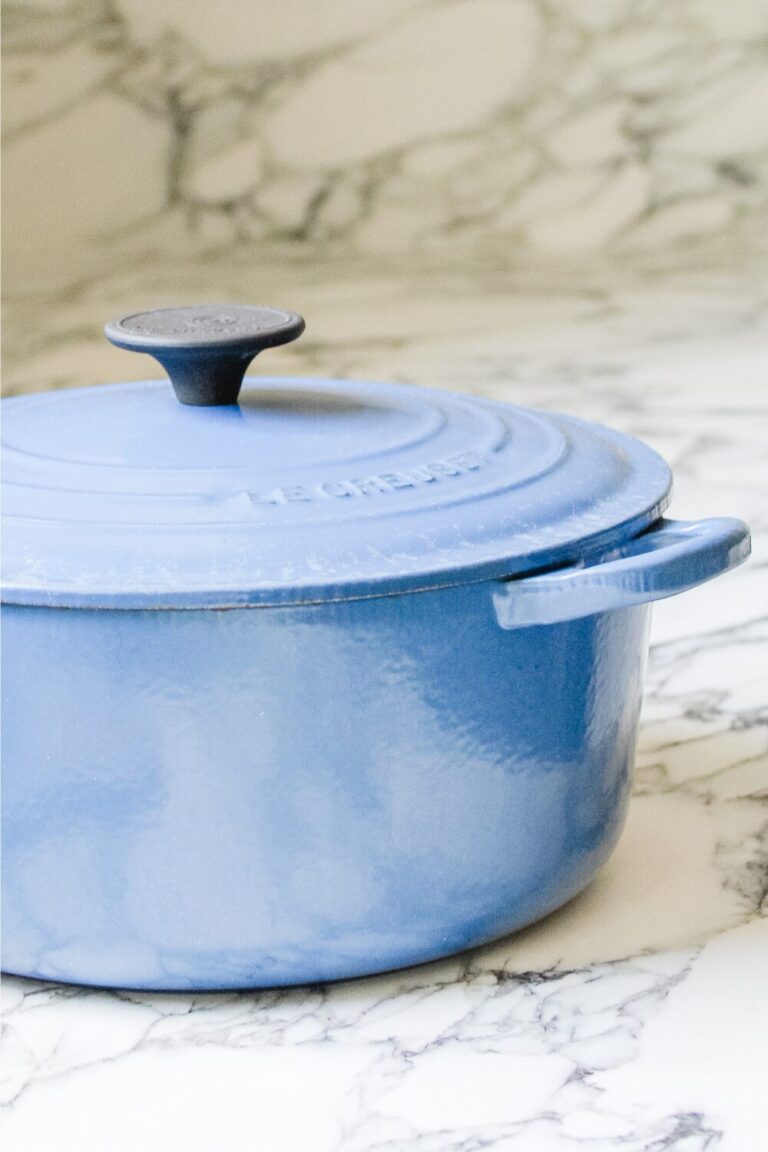
-A $300 Le Creuset model that lasts 30 years and is used 1,500 times: $300 ÷ 1,500 = $0.20 per use
Although the Le Creuset demands a greater initial outlay, its per-use cost is lower, and it eliminates the need for frequent replacements.
Benefits of Applying This Concept
Long-term financial savings: Higher-quality items often prove more economical over extended periods.
Waste reduction: Fewer disposals contribute to environmental sustainability.
Minimized inconvenience: Reduced frequency of replacements decreases associated efforts.
Enhanced satisfaction: Durable products deliver consistent performance and reliability.
By employing cost-per-use calculations, you begin to recognize that prioritizing quality often yields returns not only in monetary terms but also in terms of dependability, functionality, and ecological responsibility. The Buy It For Life approach emphasizes intelligent allocation of resources rather than mere expenditure.
Additional Analytical Frameworks for Routine Purchases
To extend this reasoning, consider complementary evaluations such as total cost of ownership (incorporating maintenance and disposal fees) or lifecycle assessments for environmental impact. These tools can further refine purchasing decisions across various categories, ensuring alignment with personal and financial objectives.
Final Thoughts
Applying Cost-per-Use Analysis helps you make smarter decisions on major purchases and avoid costly mistakes where cheap upfront prices lead to frequent replacements. By calculating the true long-term value, you can invest confidently in quality items that deliver better performance and savings over time.